Are You Really in Control of Your Debt—or Just Treading Water?
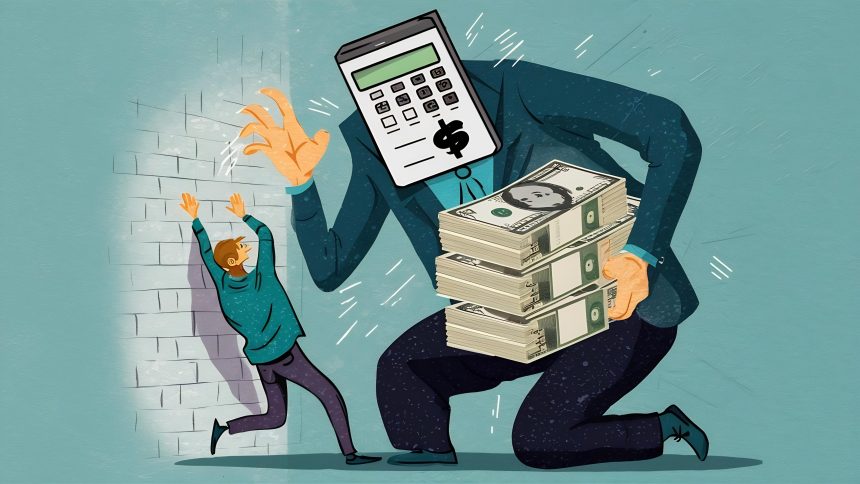
Debt can feel like quicksand. One misstep—a late payment, an unexpected expense, or just not earning quite enough—and you sink deeper. In 2025, with interest rates still fluctuating, inflation continuing to pressure everyday budgets, and loan approvals tightening, too many Americans are struggling to breathe financially. If you’re reading this, you’re likely one of them. But here’s the truth: it doesn’t have to stay this way. Debt is fixable—with the right plan.
A realistic debt payoff plan isn’t just a spreadsheet. It’s a mindset shift. It’s about taking the chaos and bringing it under your control, one manageable step at a time. In this guide, we’re not just going to give you vague tips—we’ll show you the exact steps to take based on today’s economic landscape so you can finally break free from the cycle.
1. Understanding Your Debt Situation
You Can’t Change What You Don’t Acknowledge
Before anything else, it’s time to face the numbers—no matter how uncomfortable that might feel. Many people avoid looking at their full debt picture because it triggers shame, anxiety, or overwhelm. That’s valid. But ignoring it won’t make it go away—in fact, that avoidance is part of why consumer debt across the U.S. crossed $17.5 trillion in early 2025, according to the Federal Reserve.
Here’s how to get brutally honest about your debt:
- List Every Debt: Include credit cards, personal loans, student loans, medical bills, buy-now-pay-later balances, and any payday or title loans.
- Record Key Details: For each, note:
- Outstanding balance
- Interest rate (APR)
- Minimum monthly payment
- Due date
- Calculate Your Total Debt Load: Add everything up. This is your starting line—not your life sentence.
Pro Tip: Use a debt tracker spreadsheet or a budgeting app that lets you sync all your accounts to see your real-time totals. Clarity is power.
2. Setting Financial Goals That Actually Stick
Vague Goals Don’t Work—Specific, Measurable Ones Do
Once you’ve stared the debt monster in the face, it’s time to define your “why.” Why do you want to be debt-free? For some, it’s about reducing stress. For others, it’s about qualifying for a mortgage or freeing up money to start a business.
Build a Foundation with SMART Goals:
Your debt payoff goals should be:
- Specific – “Pay off $10,000 in credit card debt”
- Measurable – “By December 2026”
- Achievable – Based on your income and budget
- Relevant – Tied to your personal financial vision
- Time-bound – With clear deadlines
Align Your Budget With Your Goals
No plan works if you’re spending more than you make. In 2025, as cost-of-living pressures remain high, your budget has to be lean but livable.
Break it down:
- Essential Expenses: Rent/mortgage, utilities, groceries, transportation
- Minimum Debt Payments: To stay current and protect your credit
- Extra Debt Payments: This is where the real progress happens
- Savings: Even if it’s $10/month, build the habit
Warning: If your expenses outweigh your income, cutting isn’t optional—it’s necessary. You may need to downgrade lifestyle choices, pause subscriptions, or find additional income sources. It’s temporary pain for long-term gain.
3. Choosing the Right Debt Payoff Strategy
One Size Does Not Fit All—Pick a Method That Matches Your Psychology
In 2025, with many Americans juggling multiple high-interest debts and rising minimums, it’s critical to pick a strategy that keeps you emotionally engaged while maximizing financial impact.
Snowball vs. Avalanche Method
Snowball Method (Great for Momentum)
- Pay off the smallest debt first while making minimums on the rest.
- Once it’s paid off, apply that freed-up payment to the next smallest debt.
- Good if you need quick wins to stay motivated.
Avalanche Method (Best for Interest Savings)
- Focus on the highest-interest debt first.
- Saves the most money over time but may take longer to see results.
Hybrid Strategy
Start with snowball to build confidence, then switch to avalanche to maximize savings.
Consider Debt Consolidation
If you’re dealing with multiple credit cards or high-interest loans, a debt consolidation loan could simplify your finances. But in 2025, approval standards are tight, and interest rates are high unless you have strong credit.
Only consider this if:
- The new interest rate is lower than your current average
- You’re confident you won’t rack up new debt afterward
4. Negotiate Where You Can
Don’t Assume You Have No Leverage—You Might Be Surprised
Creditors don’t want you to default—they want to get paid. That gives you room to negotiate.
Here’s what you can try:
- Lower Interest Rates: Call your credit card issuer and ask for a reduction—especially if your payment history is solid.
- Hardship Programs: Some creditors offer temporary reduced payments or forbearance.
- Debt Settlement: Only consider this if you’re truly behind and can’t recover. It damages your credit but may reduce what you owe.
Caution: Avoid debt relief companies that charge high upfront fees. Work with nonprofit credit counseling agencies like those affiliated with the National Foundation for Credit Counseling (NFCC).
5. Build New Habits That Prevent Relapse
Paying Off Debt Without Changing Your Habits Is Like Mopping a Floor While the Faucet’s Still On
To stay out of debt long term, you have to shift the behaviors that got you there in the first place.
Start Here:
- Track Your Spending Weekly: Use apps like YNAB or Rocket Money
- Use Cash or Debit More Often: Reduce reliance on credit unless it’s for strategic reasons (e.g., business purchases or rewards you can pay off monthly)
- Automate Payments: Set up automatic minimum payments to avoid late fees, then manually pay extra
- Start an Emergency Fund: Begin with $500, then aim for 1-3 months of essential expenses
Seek Support When Needed
This journey isn’t easy—and you don’t have to walk it alone.
- Talk to a financial coach
- Join debt-free communities online (Reddit’s r/personalfinance is solid)
- Ask friends or partners to help keep you accountable
Don’t Beat Yourself Up—You’re Not Alone in This
Let’s be real: if debt payoff were easy, we wouldn’t be seeing record-breaking levels of personal debt in 2025. With everyday Americans facing inflated grocery bills, rising rent, tighter loan approvals, and stagnant wages, it’s not surprising that so many are struggling to stay afloat. If you’re feeling embarrassed, defeated, or even angry—you’re human. Debt isn’t a moral failure. It’s often the byproduct of survival, unexpected emergencies, or just trying to build a better life in a system that isn’t built to support everyone equally.
Here’s what matters most:
- You’re here.
- You’re taking this seriously.
- You’re willing to do the work.
That’s more than most people do—and it means you’re already in motion.
You’re not expected to figure this all out overnight. Progress will be imperfect. Some months will feel like you’re sprinting forward. Others, like you’re crawling backward. That’s normal. You have permission to move at your pace. What matters is that you keep moving.
You don’t need to be perfect—you just need a plan. And support. And room to breathe.
6. Stay Motivated Through the Process
Because Long-Term Success Requires Long-Term Energy
Debt repayment is a marathon—not a sprint. There will be setbacks. There will be months where progress slows or stalls.
Here’s how to keep going:
- Celebrate Every Win: Paid off a card? Celebrate. Hit a milestone? Acknowledge it.
- Visualize Your Freedom: Use a printable debt tracker or progress thermometer
- Revisit Your ‘Why’ Regularly: Post your goals somewhere visible
- Adjust As Needed: If income changes or life throws a curveball, revise—not abandon—your plan
Important Reminder: Progress is progress, even if it’s slow. The fact that you’re working toward it in 2025, during one of the most financially volatile periods in recent memory, already puts you ahead of the curve.
Final Thoughts: You’re Not Alone, and It Is Possible
You’re Not Behind—You’re Just Starting Now
If you’ve been overwhelmed by debt for months—or even years—it’s easy to feel defeated. Especially now, when inflation, housing costs, and credit restrictions are stacking the odds against everyday Americans. But here’s what no creditor or bank will tell you: You can regain control. It starts with a plan, continues with consistency, and becomes a new normal as you build better financial habits.
Debt doesn’t define your worth. Your willingness to face it head-on does.
Let this be your turning point.