- The Paradox: Bad Feelings, Big Purchases
- Why People Spend to Feel Better About Feeling Worse
- How to Position Your Product as Emotional Relief
- The Biggest Pricing Psychology Mistakes to Avoid
- What Happened → Why It Matters → How to Stack It
- Frequently Asked Questions
- Position Your Business for Emotional Buying
- Master Consumer Spending Psychology
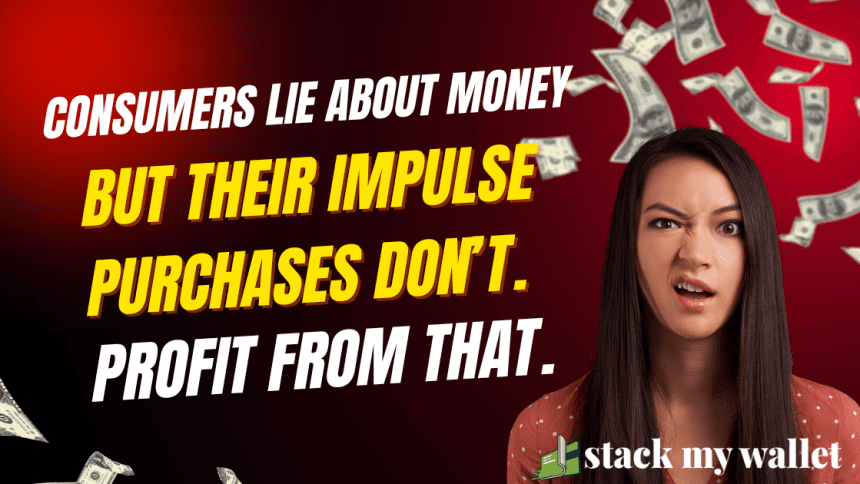
Consumer spending psychology reveals a contradiction most businesses miss: Your customers say they’re broke, but they keep buying anyway. People report struggling financially, expecting prices to climb, spending more on essentials like groceries and housing. Yet discretionary purchases keep rising at rates that defy logic.
According to Deloitte’s October 2025 financial well-being report, consumer confidence remains on a downward trend throughout 2025, with inflation concerns spiking. The percentage of people expecting higher grocery prices next month jumped 16 points since November 2024. Meanwhile, discretionary spending intentions continue growing. Translation: People feel broke but act rich.
By the end of this, you’ll know how to turn this paradox into business strategy. You’ll understand why emotional buying behavior trumps logic, and how to position your product as the relief people are actually paying for.
The Paradox: Bad Feelings, Big Purchases
The Deloitte data reveals something most personal finance gurus don’t want you to know. Consumer financial well-being has been declining throughout 2025. People worry about rising costs. They report higher monthly spending on necessities. Yet discretionary purchases keep climbing.
This isn’t new. The Bureau of Labor Statistics reported that average annual expenditures hit $77,280 in 2023, up 5.9% from 2022. During that same period, the Consumer Price Index rose only 4.1%. People are spending faster than inflation, and they know it.
Here’s what makes this interesting for business owners: The disconnect between how people feel and how they spend isn’t a bug. It’s the entire system. Behavioral finance research from 2024 confirms that spending functions as a psychological coping mechanism for emotional and situational frustrations. When people feel stressed about money, they spend money to feel better about feeling stressed about money. (Yes, really.)
The gap between perception and behavior creates opportunity. Most businesses try to sell on logic, features, and value propositions. But consumer spending psychology operates on emotion, not spreadsheets. If you’re positioning your product as a “smart financial choice” during a time when people feel financially unstable, you’re fighting uphill. Instead, position it as emotional relief, and price becomes secondary.
Why People Spend to Feel Better About Feeling Worse
This is cognitive dissonance at industrial scale. People intellectually understand they should save money. They see their bank accounts. They know prices are rising. But emotions override logic every single time when it comes to buying decisions.
Research on emotional intelligence and financial behavior found that individuals with low emotional regulation are significantly more prone to impulsive overspending and debt accumulation. The study showed that when people lack the ability to manage financial stress, they use spending as a coping tool. The temporary dopamine hit from buying something feels better than sitting with financial anxiety.
Your brain processes spending in two completely different ways depending on payment method. Cash creates psychological pain because you physically hand over money. You see it leave. Digital payments remove that friction entirely. (This is why you’ll drop $200 on Amazon without blinking but hesitate to spend $20 in cash on the same item.) The physical act of loss disappears, so the emotional barrier to spending collapses.
So what’s the actual move here?
Stop selling to the logical brain. The logical brain isn’t making the purchase decision anyway. The emotional brain sees your product and asks one question: Will this make me feel better right now? If the answer is yes, price becomes negotiable. If the answer is no, you could offer a 50% discount and still lose the sale.
How to Position Your Product as Emotional Relief
Forget features. Forget benefits. Those matter, but they’re not what closes the deal when someone’s operating on emotional buying behavior.
Reframe Your Value Proposition Around Emotional States
Look at your current marketing copy. Count how many times you mention quality, premium, innovative, or affordable. Now delete all of it and start over. People don’t buy quality. They buy relief from chaos, fear, overwhelm, or uncertainty.
What to do:
- Audit your current copy for logical appeals (features, benefits, ROI)
- Replace with emotional state changes (“stop feeling like everything’s about to fall apart”)
- Test emotional framing against control copy
- Track which version converts better
Example: You sell project management software. Your current pitch probably says something about “streamline workflows” or “boost productivity.” Boring. Your real pitch is “stop feeling like everything’s about to fall apart.” That’s what people are buying. The software is just the delivery mechanism.
Speak Directly to the Stress First
Your customer is drowning in financial anxiety while simultaneously opening their wallet. Acknowledge that. Don’t pretend they’re making a “smart investment.” They know they’re not. They’re buying emotional relief, and they need you to make them feel okay about it.
“Look, you’re overwhelmed. You’ve got 47 browser tabs open, three unfinished projects, and you’re pretty sure you forgot something important. This won’t fix your entire life. But it will give you 15 minutes of control in a day that feels chaotic.” That’s honest positioning that respects consumer spending psychology.
Track Actual Behavior vs. Stated Preferences
People lie about what they want. Not intentionally, but they do. They’ll tell you they want affordable options, then buy the expensive package because it “feels” more secure. Use tools like Xero or BILL to track what customers actually purchase versus what they say they’ll purchase.
The gap between words and actions:
- Stated preference: “I want affordable options”
- Revealed preference: Buys premium package because it feels more secure
- Your move: Build messaging around what they actually buy, not what they say
Most business owners ask customers what they want through surveys. Then they wonder why survey responses don’t match sales data. Emotions drive purchases, but people report logical reasons post-purchase to justify what they did. Track the behavior, not the explanation.
The Biggest Pricing Psychology Mistakes to Avoid
Competing on price is a race to the bottom. When you’re the cheapest option, you’re telling customers your product solves a logical problem. But we just established that consumer spending psychology operates on emotion, not logic.
Three mistakes that kill conversions:
- Underpricing signals low value. If your product promises to solve chaos, overwhelm, or stress, and you charge $9.99 for it, nobody believes you. Emotional relief commands premium pricing because the alternative is continuing to feel terrible.
- Explaining or justifying your pricing. The moment you start defending why something costs what it costs, you’ve lost. People who buy based on emotion don’t need pricing breakdowns. They need to believe the purchase will make them feel better.
- Selling outcomes instead of feelings. “This will save you 10 hours per week” is an outcome. “This will stop you from lying awake at 2am wondering what you forgot” is a feeling. Feelings close deals. Outcomes get filed in the “I’ll think about it” folder and forgotten.
Want to know the part most businesses miss?
They sell the outcome, not the feeling. Price your product to reflect the emotional weight it removes, not just the features it delivers. If you have to justify the price, you haven’t nailed the emotional positioning yet.
What Happened → Why It Matters → How to Stack It
| What Happened | Why It Matters | How to Stack It |
|---|---|---|
| Deloitte reports consumer financial well-being declining throughout 2025, yet discretionary spending keeps rising despite inflation fears and grocery price concerns. | People feel financially stressed but spend anyway because emotions override logic in buying decisions. This creates a disconnect between stated values and actual behavior. | Position your product as emotional relief, not logical value. Speak to the stress first, then present your solution as the thing that makes them feel better right now. |
| BLS data shows average expenditures grew 5.9% in 2023 while CPI rose only 4.1%, meaning people spend faster than inflation even when they know prices are climbing. | Spending isn’t about affordability anymore—it’s about emotional coping. When financial stress increases, people spend more to temporarily relieve that stress, creating a feedback loop. | Stop competing on price. Set pricing that reflects emotional value. If your product removes chaos or overwhelm, charge accordingly. Underpricing signals you don’t actually solve the problem. |
| Behavioral finance research confirms spending functions as a psychological coping mechanism for emotional frustrations, with low emotional intelligence linked to impulsive buying. | The logical brain knows spending is irrational. The emotional brain doesn’t care. Emotion wins every time. Businesses selling to logic lose to businesses selling to feelings. | Track actual buying behavior with tools like Xero or BILL, not survey responses. People lie about what they want. Their purchase history tells the truth. Build messaging around revealed preferences, not stated ones. |
| Digital payments remove psychological friction of spending compared to cash, making it easier to buy without feeling financial pain or loss. | The less someone “feels” the transaction, the more they’ll spend. Friction = pain = hesitation. Remove friction, remove hesitation. This is why checkout optimization matters more than you think. | Make buying as frictionless as possible. Every extra click, form field, or decision point gives the logical brain time to overrule the emotional impulse. Streamline checkout ruthlessly. |
Frequently Asked Questions
| Question | Answer |
|---|---|
| Why do people spend more when they feel financially stressed? | Spending acts as emotional coping mechanism. The temporary relief from buying something feels better than sitting with financial anxiety. It’s not logical, but emotions drive behavior more than logic. |
| How can I position my product as emotional relief instead of logical value? | Speak to the stress first. Acknowledge what they’re feeling, then present your product as relief from that feeling. Don’t sell features or outcomes—sell the emotional state change. |
| Does pricing really matter if people are buying based on emotion? | Yes, but not how you think. Low prices signal low value. If your product solves an emotional problem, price it accordingly. Relief from overwhelm commands premium pricing. |
| What’s the difference between stated preferences and revealed preferences? | Stated preferences are what people say they want. Revealed preferences are what they actually buy. Track behavior, not surveys. People rationalize purchases after the fact. |
| Should I compete on price during economic uncertainty? | No. Competing on price positions you as a commodity solving logical problems. You want to sell emotional relief, which requires premium pricing to be believable. |
| How do I know if my messaging speaks to emotions or logic? | If you’re listing features, benefits, or ROI, you’re selling to logic. If you’re describing feelings and stress relief, you’re selling to emotion. Count the “you’ll feel” statements vs “you’ll get” statements. |
| Can I use both emotional and logical appeals in my marketing? | Yes, but lead with emotion. Hook them emotionally, then justify the decision logically afterward. Never lead with logic when targeting emotional buyers. They’ll bounce before you get to the feeling part. |
| How often should I adjust my messaging based on consumer sentiment? | Check quarterly at minimum. Consumer spending psychology shifts with economic conditions. What worked six months ago might miss the current emotional state entirely. Stay current. |

Position Your Business for Emotional Buying
Here’s your roadmap to turn consumer spending psychology into revenue. This isn’t theory—it’s implementation.
Phase 1: Understand the Emotional Trigger
[ ] Identify what frustrations your customers are experiencing right now
[ ] Research how they currently talk about their problems online and in reviews
[ ] Map their emotional state to their buying patterns using past purchase data
[ ] Track which messaging gets emotional engagement vs. which gets logical responses
[ ] Use Xero or BILL to analyze actual spending behavior vs. what customers say they’ll buy
💪 Nice. Most businesses skip straight to selling without this foundation.
Phase 2: Reframe Your Positioning
[ ] Rewrite product descriptions to address emotional relief, not features
[ ] Create messaging that speaks to “peace/control/relief” instead of “premium/quality/innovative”
[ ] Adjust your marketing copy to acknowledge their stress first before presenting solution
[ ] Test new emotional positioning with small audience segment and measure conversion difference
[ ] Remove any pricing justifications or defensive language from sales pages
🎯 This is where perception shifts from “nice to have” to “I need this now.”
Phase 3: Price and Execute
[ ] Set pricing that reflects emotional value, not just cost-plus markup
[ ] Remove friction from checkout process—every extra click kills emotional impulse
[ ] Track conversion rates by emotional messaging variant to identify what resonates
[ ] Double down on what converts best and eliminate what doesn’t
[ ] Review and adjust quarterly based on shifts in consumer sentiment data
📋 Print this checklist and check off items as you complete them.
Master Consumer Spending Psychology
The disconnect between how people feel and how they spend isn’t going away. Consumer spending psychology operates on emotion, not logic. Financial stress increases spending because buying provides temporary relief from anxiety. Digital payments remove friction, making emotional purchases easier than ever.
Your business wins when you stop selling to the logical brain and start selling to the emotional one. Position your product as relief, not value. Price it to reflect the emotional weight it removes. Make buying frictionless. Track actual behavior, not stated preferences.
Most businesses will keep competing on price, features, and logical benefits. They’ll wonder why customers who say they want affordable options keep buying premium products from competitors. You’ll know better. You understand that people buy relief, not products. The product is just how the relief gets delivered.
Next: Save this when you’re ready to rewrite your positioning and watch conversion rates climb.