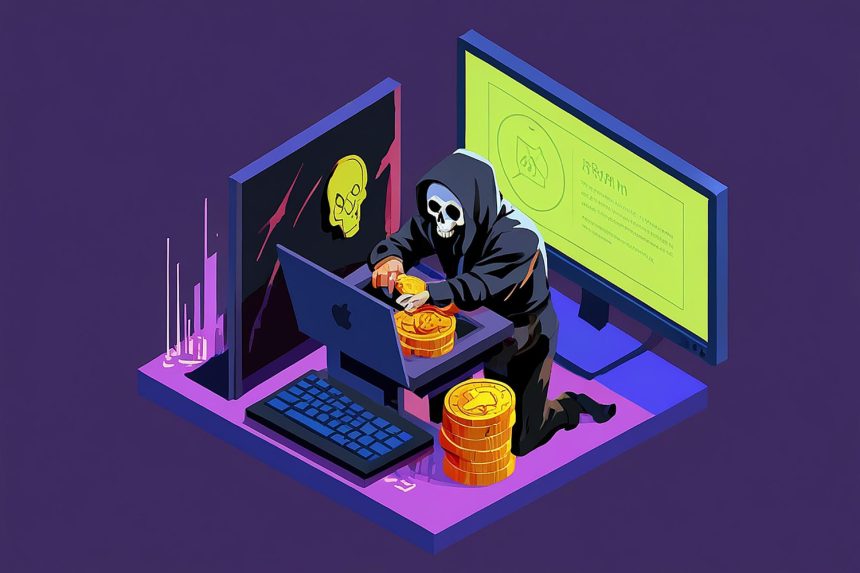
Identity theft doesn’t just shake your trust in systems—it can completely derail your personal finances and sabotage your entrepreneurial progress. One day, you’re focused on building credit for your next business move. Next, you’re dealing with accounts you didn’t open, missed payments you never made, and credit scores that no longer reflect your hard work.
If you’ve been hit with identity theft—or you’re recovering from the aftershocks—this guide will walk you through how to rebuild your credit, protect your business, and get back to stacking your wallet.
What Identity Theft Actually Does to Your Credit
It’s not just about a stolen card or a hacked account. Identity theft can quietly damage your entire financial foundation if it slips past you unnoticed for too long.
Here’s how it hits your credit report and score:
- Fraudulent accounts open in your name
These can lead to hard inquiries, new lines of credit, and debt you never took on. - Missed payments and defaults you didn’t cause
Once accounts start accumulating balances and go unpaid, it tanks your score fast. - High utilization across accounts
Fraudsters max out cards, spiking your credit utilization ratio. - Charge-offs and collections
If left unresolved, these accounts can get sold to collectors, leaving deeper scars on your report.
And in 2025, where interest rates remain volatile and financial institutions are tightening approval criteria, even a 20-point drop in your score could mean denial for a business credit card or higher rates on a startup loan.
For entrepreneurs, identity theft doesn’t just disrupt your personal finances. It can stall growth. Delay funding. Erode credibility.
First 5 Things To Do Immediately After Identity Theft
If you suspect or confirm that your identity’s been compromised, fast action is your best defense. Even if you’re still assessing the damage, these five steps protect you from further fallout:
Step 1: Place a Fraud Alert on Your Credit Report
This is free and lasts one year. It warns lenders to verify your identity before opening new credit in your name.
- Contact any one of the three bureaus (Experian, TransUnion, Equifax). They’re required to notify the others.
Step 2: Freeze Your Credit
A freeze locks down your report so no one—including you—can open new credit until you lift it. It’s a strong move if fraud has already occurred.
- Freezes must be placed with each bureau individually.
Step 3: File an FTC Identity Theft Report
Head to IdentityTheft.gov to file your report. This generates a recovery plan and documentation you’ll need for disputes.
Step 4: Notify All Creditors and Banks
Call the fraud departments of every lender, credit card issuer, or financial institution where suspicious activity occurred. Request account closure or freezing.
Step 5: Pull and Review Your Credit Reports
Grab all three reports at AnnualCreditReport.com. You’re entitled to one free report per bureau every week through 2026.
Look for:
- Accounts you don’t recognize
- Inquiries you didn’t authorize
- Balances that don’t match your records
- Incorrect personal information (addresses, names, etc.)
How to Rebuild Credit After Identity Theft
Once you’ve contained the damage, it’s time to get strategic about rebuilding. This phase is about reclaiming your score, strengthening your financial profile, and making yourself whole again.
1. Dispute Fraudulent Accounts
Using your FTC report and any police reports you’ve filed, send written disputes to each bureau and creditor. This is your legal right under the Fair Credit Reporting Act (FCRA).
- Include supporting documents
- Keep copies of everything
- Follow up within 30 days
2. Use a Secured Credit Card or Credit Builder Tool
You’ll need to start demonstrating positive payment history again. If your old accounts were closed or damaged, secured cards offer a low-risk way to rebuild.
- Make small purchases
- Pay in full each month
- Keep utilization under 10%
3. Don’t Ignore Your Utilization Rate
Even if your limits are temporarily low, your score still responds to usage.
Try this:
- Ask existing creditors for a credit line increase (after 90+ days of good activity)
- Split spending across multiple cards
- Pay mid-month and again before the statement’s close date
4. Set Up Continuous Credit Monitoring
In 2025, many fintech tools offer free or low-cost monitoring services that flag changes in real time.
Look for tools that:
- Show alerts for new inquiries
- Track score changes
- Offer identity theft insurance (optional)
5. Consider a Legit Credit Repair Service
If you’re overwhelmed—or dealing with stubborn accounts—reputable credit repair professionals can help with structured dispute processes and documentation support.
Watch out: Never pay upfront. Avoid companies that promise fast results or a “new credit file.”
Emotional Fallout: Why Identity Theft Shakes More Than Your Credit Score
Let’s pause for a second. Because what doesn’t get talked about enough is how identity theft messes with your sense of safety.
It’s not just about numbers dropping.
It’s about that gut-punch moment when you realize someone had access to things they never should’ve touched. It’s about the embarrassment that creeps in, even though none of it was your fault. And it’s about the anxiety that lingers long after the fraud alert is filed.
That emotional fallout can quietly affect your decisions—especially around money. You might start hesitating on investments, delaying that next business move, or second-guessing every email, bank notification, or login screen.
Here’s the truth no one puts in fine print:
The mental load of identity theft is real. And if you’re building something—whether it’s a business, a side hustle, or just trying to get stable again—that emotional weight can slow you down more than the credit hit itself.
How to Get Grounded Again (and Rebuild with Confidence)
You don’t need to pretend it didn’t shake you. You just need a game plan that includes the emotional side of recovery too.
Try integrating a few of these low-pressure but high-impact habits:
- Journal your reactions
Not every money decision is logical—especially after trauma. Track what triggers fear, hesitation, or avoidance. - Build small financial wins
Start with something you can control. Even paying a $10 bill on time resets your nervous system’s association with money. - Create a “security ritual”
Once a week, review logins, update a password, or scan your reports. Turn it into a routine—not a panic response. - Talk it out with someone who gets it
Whether it’s a financial coach, trusted peer, or support group, don’t keep it all in your head. You process faster when it’s out in the open. - Celebrate progress
That new secured card? A report with zero changes this month? That’s movement. Track it. Notice it. It counts.
This isn’t just about fixing what’s broken. It’s about rebuilding a sense of safety, decision-making confidence, and belief that your money (and your identity) can be protected again.
How Identity Theft Can Derail Entrepreneurs
Let’s be clear—if you run a business or side hustle, identity theft is more than a personal inconvenience. It can straight-up sabotage your operations.
Here’s how it shows up for founders and freelancers:
- Business loan denials due to personal credit damage
Most lenders check your personal score when evaluating business credit. - Delayed or rejected applications for net-30 vendors
Identity theft can lower your score just enough to knock you out of the “safe” range. - Stress and time loss from managing disputes
Instead of building, you’re buried in paperwork and emails trying to clean things up. - Damaged brand trust if bank accounts or domains get compromised
If a hacker gains access to your payment processor or email list, the reputation fallout can be brutal.
This isn’t fear-mongering—it’s about protecting the engine that powers your hustle.
How to Protect Your Business Credit Going Forward
Once you’re on the path to recovery, it’s time to future-proof your identity—personally and professionally. Especially in 2025, with AI-fueled scams and deepfake fraud on the rise, layered protection matters.
Use a Virtual Business Address
Avoid using your home address for EIN registration or business profiles. A virtual office or co-working mail service adds a layer of separation between your personal and business data.
Secure Your EIN and Business Documents
Keep your EIN confirmation, operating agreements, and licenses stored in an encrypted folder or secure cloud drive.
- Use password managers
- Set document access limits (read-only, encrypted backups)
- Don’t share business tax ID numbers casually
Enable Two-Factor Authentication (2FA) Everywhere
From bank logins to accounting platforms, 2FA should be the default—preferably using an app, not just SMS.
Set Up Account Alerts
Most banks and platforms allow real-time alerts for:
- Logins from new devices
- Large transfers or withdrawals
- Failed login attempts
Use these. They’re your early warning system.
Monitor Business Credit Reports
Just like your personal credit, business credit reports (Experian Business, Equifax Business, and Dun & Bradstreet) should be checked quarterly.
- Look for trade lines you didn’t open
- Dispute inaccuracies early
- Watch for credit score dips that could impact funding
Final Thoughts: From Crisis to Comeback
Identity theft can feel like everything’s slipping through your fingers—credit, control, confidence. But this isn’t the end of your story. It’s a reset.
You don’t need to be perfect, just consistent. Rebuilding takes time, but it’s completely doable with the right plan. The same resilience and strategy you bring to your hustle can rebuild your credit and secure your financial future—stronger and more fraud-proof than before.
Quick Recap: Your Rebuild Game Plan
- Freeze your credit and file a fraud alert
- Pull your credit reports and dispute errors
- Rebuild with secured cards or credit builder tools
- Monitor both personal and business credit
- Lock down your business systems like a pro
In 2025, protecting your identity is part of protecting your income.
Whether you’re fixing what got broken or tightening up your systems, take control now. Your future business moves depend on it.