- What EIDL Loan Forgiveness Actually Means For Your Business
- Current Status of EIDL Loan Forgiveness Programs In 2025
- Why Congress Won’t Approve EIDL Debt Forgiveness
- Real Financial Challenges Behind EIDL Repayment Struggles
- Six Proven Strategies To Manage Your EIDL Debt
- Alternatives When EIDL Loan Forgiveness Isn’t An Option
- Frequently Asked Questions
- TLDR Summary
- Implementation Checklist
- Taking Action On Your EIDL Repayment Strategy

The question on every struggling business owner’s mind right now is whether EIDL loan forgiveness will finally happen in 2025. Small businesses across the country took on Economic Injury Disaster Loans during the pandemic to survive lockdowns, supply chain disasters, and revenue collapse. Now that repayment obligations are in full swing, many owners are wondering if the federal government will step in with relief similar to what happened with PPP loans. The short answer is no, and understanding why can help you plan a realistic path forward instead of waiting for help that won’t arrive.
What EIDL Loan Forgiveness Actually Means For Your Business
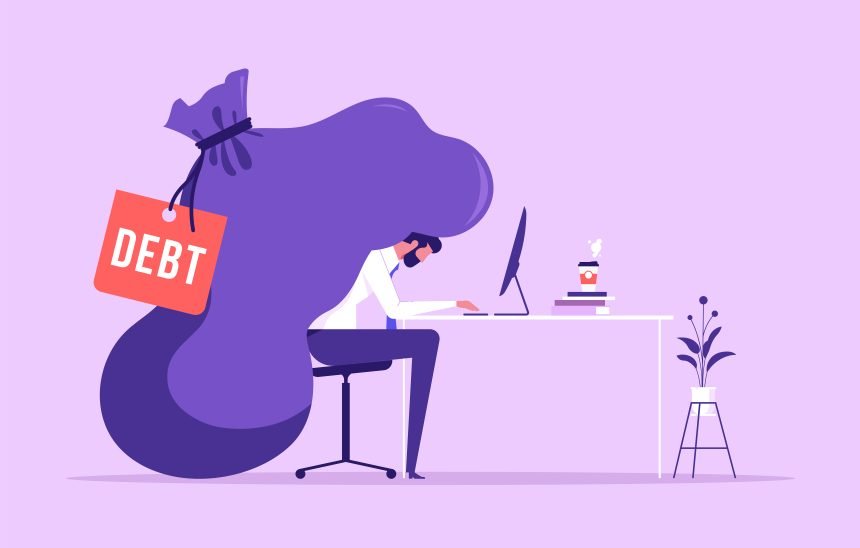
Let’s clear up the confusion first. When people talk about EIDL loan forgiveness, they’re asking whether the Small Business Administration will cancel outstanding debt the same way it forgave Paycheck Protection Program loans. The problem is that these two programs were built on completely different foundations from day one.
💰 Understanding Economic Injury Disaster Loans
The SBA designed EIDL as a traditional loan program with repayment obligations. Businesses could borrow up to $2 million at fixed interest rates of 3.75% for for-profit companies and 2.75% for nonprofits. These loans came with 30-year repayment terms, making monthly payments more manageable but extending the debt obligation for decades.
Collateral requirements kick in at different loan thresholds. Loans over $25,000 require business assets as collateral, meaning the SBA files a lien on equipment, inventory, and other business property. For loans exceeding $200,000, borrowers must sign a personal guarantee, which puts personal assets at risk if the business defaults. This distinction matters because it determines whether only your business entity is liable or whether you’re personally on the hook for repayment.
Only the EIDL advance grants, which provided up to $10,000 initially and up to $15,000 for targeted advances, were truly forgivable. If you received advance funds, those don’t need to be repaid. Everything else does.
🔄 How EIDL Differs From PPP Loan Forgiveness
PPP loans were grants disguised as loans. Congress wrote forgiveness into the legislation from the start, creating specific criteria around payroll expenses and employee retention. Meet those requirements and your loan disappeared. EIDL loan forgiveness was never part of the design. The program followed traditional disaster loan protocols where repayment is mandatory unless Congress passes new legislation to change that.
The distinction matters because it shapes what’s actually possible. PPP forgiveness required lender participation and SBA reimbursement systems that were planned before the first dollar went out. EIDL operates under different rules and would need Congressional action to create any business loan repayment relief.
Current Status of EIDL Loan Forgiveness Programs In 2025
As of October 2025, no federal EIDL loan forgiveness program exists. The SBA lacks the legal authority to cancel this debt without Congressional approval, and no such legislation is moving through either chamber. Business owners hoping for relief need to understand what options actually remain on the table versus what’s just wishful thinking fueled by online rumors.
❌ Why Widespread Forgiveness Isn’t Happening
The numbers tell the story. The SBA extended $380 billion in EIDL loans between 2020 and 2022, and over $300 billion remains outstanding as of late 2023. Wiping out that debt would shift the entire burden onto taxpayers while creating a financial crater at the SBA that could halt operations for years. Political reality makes this a non-starter regardless of which party controls Congress.
The current administration has shown no interest in pursuing EIDL loan forgiveness despite pressure from small business advocacy groups. With approximately 1.3 million loans currently in default, liquidation, or charged off status, the scale of the problem exceeds anything Congress seems willing to tackle through blanket forgiveness.
📅 What Happened To the Hardship Accommodation Plan
The Hardship Accommodation Plan offered temporary breathing room by allowing reduced payments for struggling borrowers. The program worked in escalating tiers: borrowers paid just 10% of their regular monthly payment (with a $25 minimum) during the first six-month enrollment period, then 10% again in the second period, followed by 50% in the third period, and 75% in both the fourth and fifth enrollment periods. This structure gave businesses up to 30 months of reduced payments while they worked toward recovery.
That program closed on March 19, 2025. The SBA stopped accepting new applications, and existing participants must resume full payments when their current enrollment period ends. Interest continued to accrue during reduced payment periods, which means many borrowers now face balloon payments at loan maturity.
One alternative remains available: the SBA may approve a one-time payment reduction where you pay 50% of your normal monthly installment for six months. You’ll need to prove temporary financial hardship through the MySBA Loan Portal, and your loan must not be severely delinquent or charged off. This buys breathing room but doesn’t solve the underlying repayment challenge.
Smart Insights From The CEO of a $2.5 Billion Lending Group
“Loans like this are rare; if a business can’t make these terms work, it’s probably not the loan that’s the issue. More likely, it points to other underlying management issues. Forgiving these loans just isn’t fair to taxpayers, who shouldn’t have to foot the bill for businesses that haven’t adapted. We need to look at how these businesses are run, rather than forgiving loans designed to give them every chance to succeed."
Joseph Camberato - CEO, National Business Capital
Why Congress Won’t Approve EIDL Debt Forgiveness
Multiple factors make government loan forgiveness 2025 highly unlikely, and business owners need to understand these obstacles to plan realistic strategies. The political, economic, and administrative challenges stack up fast when you look at what widespread debt cancellation would actually require.
💸 The Taxpayer Cost Reality
Forgiving EIDL loans means taxpayers absorb massive losses. The SBA disbursed approximately 4 million EIDL loans totaling over $380 billion between 2020 and 2022. More than $300 billion remains outstanding as of late 2023, plus over $50 billion in accrued interest. That’s not stimulus money pumped into the economy – it’s a direct federal budget hit exceeding $350 billion that taxpayers would have to cover.
Compare that to PPP, where forgiveness was budgeted and expected from the beginning, making it easier to justify politically. The SBA attempted to sell off the EIDL portfolio in 2021 and 2022 but concluded the sale wasn’t in the government’s best interest. Now selling has become too expensive to pursue, which locks the SBA into servicing these loans for decades while trying to recover as much as possible.
The scale matters: $380 billion represents one of the largest federal lending programs in history, and writing it off would create financial chaos at the SBA that could halt operations for years.
⚖️ Fairness Concerns And Political Opposition
Businesses that already repaid their loans would face legitimate grievances if the government suddenly forgave everyone else’s debt. Why should responsible borrowers who made sacrifices to honor their obligations get penalized while defaulters get rewarded? This fairness debate creates political opposition that transcends party lines.
The moral hazard argument also carries weight. Future borrowers might expect similar bailouts whenever economic conditions deteriorate, which undermines the entire concept of business loan repayment and personal financial responsibility. Politicians from both parties have raised these concerns when discussing EIDL loan forgiveness proposals.
SBA debt relief options require Congressional authorization that simply isn’t materializing despite ongoing lobbying efforts from restaurant associations and other hard-hit industries.
Real Financial Challenges Behind EIDL Repayment Struggles
Understanding why so many businesses struggle with these loans helps explain the political pressure for relief, even if that relief isn’t coming. The pandemic created unique circumstances that continue to affect certain sectors more severely than others.
📉 Cash Flow Strains Hitting Small Businesses
Business owners face a perfect storm of financial pressures in 2025:
- Inflation has increased operating costs across every category from rent to supplies
- Labor shortages continue driving up wages without corresponding revenue increases
- Consumer spending patterns shifted permanently in many industries
- Interest expenses on other credit lines have climbed substantially
- Commercial real estate costs remain elevated in many markets
The EIDL payment often becomes the breaking point where cash flow simply can’t cover all obligations. Businesses that survived the pandemic by cutting expenses to the bone now find themselves unable to generate enough margin to handle the additional debt service.
🏪 Industry-Specific Burdens Affecting Repayment
Certain sectors face disproportionate challenges with EIDL repayment 2025 compared to the broader economy. Restaurants deal with elevated food costs and persistent labor shortages while customer traffic hasn’t fully recovered in many markets. Hospitality businesses struggle with changed travel patterns and increased competition from short-term rental platforms. Retail stores compete with e-commerce giants that gained massive market share during lockdowns and never gave it back.
These industry-specific burdens explain why advocacy groups keep pushing for sector-targeted relief, even though such proposals face the same political obstacles as universal business debt management solutions.
Six Proven Strategies To Manage Your EIDL Debt
Since EIDL loan forgiveness isn’t happening, smart business owners focus on practical strategies to handle repayment without destroying their operations or personal finances. These approaches work regardless of your industry or loan size.
📊 Assess Your True Financial Position
Run a detailed cash flow analysis that shows exactly where your money goes each month. Many business owners operate on gut feel rather than hard numbers, which makes it impossible to identify where you can realistically cut expenses or reallocate funds. Your EIDL payment needs a dedicated line item in your budget with the same priority as payroll or rent.
Calculate your debt service coverage ratio by dividing net operating income by total debt payments. If that number drops below 1.2, you’re in the danger zone and need to take action before the SBA starts collection proceedings.
📞 Contact The SBA Before You Default
The worst mistake is going silent when you can’t make payments. Reach out to the COVID EIDL Servicing Center at CESC@sba.gov or through the MySBA Loan Portal before you miss a payment. Document every conversation and email exchange because this paper trail becomes crucial if you need to prove you acted in good faith.
The SBA may approve short-term deferments or payment restructuring depending on your circumstances, but you need to ask before defaulting. Once your account hits 120 days delinquent, it gets referred to the Treasury Offset Program where your options narrow significantly.
🤝 Negotiate Payment Plans That Actually Work
The SBA sometimes agrees to modified payment arrangements for borrowers facing temporary hardship. The key word is temporary because they want to see a credible path back to full payments within a reasonable timeframe. Present a specific recovery plan showing how you’ll return to regular payments rather than just asking for indefinite relief.
Extended repayment terms or reduced installment amounts might be possible depending on your loan size and business situation. The SBA evaluates these requests case by case, so having professional help craft your proposal increases success odds.
💡 Find Alternative Funding And Grant Programs
Don’t ignore other small business funding sources while you’re managing EIDL repayment. Several states operate relief programs targeting businesses affected by the pandemic. Community Development Financial Institutions offer flexible financing options that might help stabilize your cash flow enough to maintain EIDL payments.
Check with your local Small Business Development Center for grant opportunities that don’t require repayment. Sometimes receiving a $10,000 grant for equipment or marketing can free up enough operating cash to keep your loan current.
👔 When To Hire Professional Help
Three types of professionals can make a real difference when you’re drowning in SBA repayment assistance needs. A CPA helps optimize your tax strategy and financial structure to maximize available cash for debt service. A business attorney protects you legally if default becomes unavoidable and can guide you through Offer in Compromise negotiations or bankruptcy options. A financial advisor helps restructure your entire debt portfolio to minimize total interest costs across all obligations.
Professional help costs money upfront but often saves far more than it costs by avoiding expensive mistakes or finding solutions you wouldn’t discover on your own.
📰 Stay Updated On Policy Changes
Federal relief policies can shift quickly depending on economic conditions and political priorities. Subscribe to SBA email updates and follow reputable small business advocacy organizations that track policy developments. Check the SBA.gov website monthly for any changes to available relief programs or payment assistance options.
While major EIDL loan forgiveness remains unlikely, smaller targeted relief programs sometimes emerge for specific industries or disaster-affected regions. Staying informed means you won’t miss opportunities when they appear.
Alternatives When EIDL Loan Forgiveness Isn’t An Option
Smart business owners explore every available path when traditional repayment becomes impossible. These alternatives come with tradeoffs, but they beat defaulting without a plan.
🔄 Refinancing And Debt Consolidation
SBA 7(a) loans offer one potential refinancing path for EIDL debt. These traditional SBA loans can sometimes be used to refinance existing business debt, including EIDL balances. The catch is that 7(a) loans typically carry higher interest rates than the 3.75% EIDL rate, so this strategy only makes sense if you desperately need different payment terms to avoid default or if you’re consolidating multiple high-interest debts simultaneously.
The 7(a) refinancing process requires meeting standard SBA lending criteria: decent credit scores, demonstrable ability to repay, collateral, and proof your business has stabilized enough to handle the debt. If your business has recovered since taking the EIDL and you can qualify for a 7(a) loan with better payment flexibility (like lower monthly installments stretched over a different term), the higher interest rate might be worth avoiding default.
Private lenders also offer business line of credit options and term loans that could consolidate EIDL debt with other obligations. Realistically, few lenders want to refinance a government loan that’s already at a favorable rate. If you carry other high-interest debts like merchant cash advances or credit card balances, consolidating those might free up monthly cash to focus on the EIDL payment. Watch out for predatory lenders offering easy money with no credit checks – those deals usually come with astronomical interest rates and fees that make your situation worse.
📋 Understanding Offer In Compromise
An Offer in Compromise lets you settle SBA debt for less than the full balance, similar to how the IRS handles tax debt. The SBA evaluates your personal finances, assets, and ability to pay when considering settlement offers. This option typically applies only to loans over $200,000 that carry personal guarantees.
As of October 2025, the SBA hasn’t announced a formal Offer in Compromise program specifically for COVID EIDL loans. Some settlements may still be possible under existing guidelines, but approvals remain rare and require proving genuine financial hardship plus liquidating available assets first. The SBA doesn’t accept pennies-on-the-dollar deals and will scrutinize your financial disclosure extensively.
⚠️ Bankruptcy as a Last Resort
Personal bankruptcy can discharge EIDL loan debt if you personally guaranteed the loan. Chapter 11 allows business restructuring while Chapter 7 may discharge certain obligations depending on your situation. The major downside is that bankruptcy destroys your credit for years and doesn’t remove your business entity’s separate liability.
Subchapter V bankruptcy offers a streamlined process specifically designed for small businesses with total debts under approximately $3 million. This option costs significantly less than traditional Chapter 11 proceedings and moves faster through the courts. Subchapter V became effective early in the pandemic and has helped numerous small businesses reorganize their finances when facing multiple creditor pressures beyond just the EIDL loan. The debt ceiling was temporarily raised to $7.5 million but has since dropped back, reducing the number of companies eligible for this faster track.
Consult a bankruptcy attorney before making this decision because the implications extend far beyond just handling one loan. In many cases, negotiating with the SBA directly produces better outcomes than bankruptcy, especially if you have personal assets you want to protect. The SBA is not currently suing most defaulters except in clear fraud cases, but they will refer delinquent accounts to the Treasury for aggressive collection actions including wage garnishment and tax refund withholding.
Special Thanks To The National Business Capital Team For Guiding Us With This Article

Phil Fernandes
Chief Operating Officer
National Business Capital
Phil Fernandes serves as Chief Operating Officer for National Business Capital. He boasts 15 years of experience in sales and 10+ years of management experience as National’s VP of Financing/Analytics. Phil is also an excellent writer who's completed the Applied Business Analytics executive program at MIT and regularly contributes articles to National Business Capital’s blog.
Frequently Asked Questions
| Question | Answer |
|---|---|
| Can EIDL loans be forgiven like PPP loans? | No. EIDL loan forgiveness was never part of the program design. PPP loans were created with forgiveness provisions, but EIDL loans must be repaid in full. Only the advance grants were forgivable. |
| What happened to the SBA Hardship Accommodation Plan? | The Hardship Accommodation Plan closed on March 19, 2025. This program allowed reduced payments for six months but is no longer accepting new applicants. Contact the SBA directly for current payment assistance options. |
| Will the new administration forgive EIDL debt? | Extremely unlikely. With over $300 billion outstanding, EIDL loan forgiveness would require Congressional approval and face significant political opposition due to taxpayer impact and fairness concerns. |
| What happens if I can’t make my EIDL payments? | Contact the SBA immediately before defaulting. After 120 days of delinquency, your account gets referred to the Treasury Offset Program. The Treasury can garnish wages, withhold tax refunds, offset Social Security payments, and seize collateral. |
| Can I settle my EIDL loan for less than I owe? | No official settlement program exists. The SBA expects full repayment. In rare post-default cases with no assets, they might negotiate, but assume you’ll repay the full balance plus interest. |
| Is there a way to reduce my EIDL interest rate? | No formal interest rate reduction program exists. You could explore refinancing through SBA 7(a) loans, though rates may be higher. Refinancing only makes sense if it prevents default or improves cash flow significantly. |
| Do I need to pay EIDL debt if I close my business? | Yes, if your loan exceeds $200,000 with a personal guarantee. For loans under $200,000 without personal guarantees, liability stays with the business entity. The SBA can still pursue business assets pledged as collateral. |
| Can bankruptcy discharge my EIDL loan debt? | Yes, EIDL loan debt can be discharged in personal bankruptcy. However, this doesn’t remove your business entity’s liability, and bankruptcy significantly impacts your credit for years. |
TLDR Summary
| Area | Action | Tools/Cost | Timeline | Result |
|---|---|---|---|---|
| Emergency Assessment | Complete cash flow analysis and verify MySBA Portal status | Free MySBA Portal access, optional CPA review $200-500 | Days 1-3 | Clear picture of repayment capacity and immediate risk |
| SBA Communication | Request one-time 50% payment reduction if facing hardship | Free through MySBA Loan Portal or CESC@sba.gov | Week 1 | Potential 6-month reduced payment period (50% of normal) |
| Alternative Funding | Research state grants, CDFI loans, and relief programs | Application fees vary $0-2,000, grant funding available | Weeks 1-2 | Additional cash flow to maintain EIDL payments |
| SBA 7(a) Refinancing | Explore refinancing EIDL through traditional SBA 7(a) loan | 2-5% origination fees, higher interest than 3.75% EIDL rate | 6-12 weeks | Modified payment terms, possibly higher total cost |
| Professional Consultation | Work with CPA, business attorney, or debt consultant | $150-400/hour or flat fee packages $1,500-5,000 | Weeks 2-3 | Expert guidance on restructuring and avoiding costly mistakes |
Implementation Checklist
Phase 1: Emergency Assessment (Days 1-3)
Log into MySBA Loan Portal today and verify current balance, payment amount, and next due date
Calculate total monthly debt service across all business obligations
Run cash flow projection for next 6 months showing all income and expenses
Identify immediate payment shortfalls requiring action this month
Document recent revenue declines or expense spikes affecting repayment ability
💪 Act fast. The SBA refers delinquent accounts to Treasury after 120 days. Waiting costs you options, so move now while you still have leverage to negotiate.
Phase 2: Immediate SBA Contact (Week 1)
Email CESC@sba.gov today if you can’t make next payment or foresee difficulty
Request information about current payment assistance programs available
Set up recurring payments through MySBA Portal if you can maintain schedule
Document all SBA responses and save confirmation numbers from every interaction
Ask specifically about short-term deferment or payment restructuring options
Phase 3: Alternative Funding Search (Weeks 1-2)
Check your state’s Small Business Development Center website for relief programs
Research Community Development Financial Institutions in your area this week
Apply immediately for any grants where your business meets eligibility
Get quotes on private business line of credit as cash flow backup
Calculate whether refinancing saves money versus keeping current EIDL terms
🚀 Build options fast. Alternative funding takes time to close, so start applications now even if you’re not sure you’ll need them. Better to have backup than scramble later.
Phase 4: Professional Help (Weeks 2-3)
Schedule consultations with two CPAs who handle small business debt challenges
Ask about tax strategies and expense restructuring to free up cash
Consult business attorney if default looks unavoidable despite your efforts
Get clear explanation of your personal liability based on specific loan terms
Understand bankruptcy implications before making irreversible decisions
Phase 5: Long-Term Execution (Week 4+)
Set up monthly financial reviews to catch problems before they become crises
Start building emergency fund for loan payments (even $500/month helps)
Develop backup lender relationships for future cash flow flexibility
Subscribe to SBA email updates for any new relief program announcements
Make business model adjustments needed to generate margin for debt service
🎯 Survival mode works short-term, but you need sustainable systems. These long-term habits prevent you from facing another crisis when the next economic shock hits.
Print this checklist: Copy these checkboxes to a document you can mark up offline. Physical progress tracking helps you stay accountable when the path forward feels overwhelming.
Taking Action On Your EIDL Repayment Strategy

EIDL loan forgiveness won’t save your business, but smart planning and proactive communication can. The borrowers who succeed in managing EIDL debt are the ones who face reality early, explore every available option, and get professional help before they’re completely underwater. Waiting for political solutions that aren’t coming wastes valuable time you could spend negotiating better terms or finding alternative funding.
Your EIDL loan represents a 30-year commitment that will affect your business finances for decades unless you take strategic action now. Whether that means refinancing, restructuring, or simply optimizing your cash flow to maintain payments, the path forward starts with honest assessment and ends with consistent execution. The SBA expects repayment, Congress won’t intervene, and your competitors who manage this debt successfully will have a significant advantage over businesses that hoped for EIDL loan forgiveness instead of planning for reality.