- What a 500 Credit Score Really Means in 2025
- Week 1: Clean Up Credit Report Errors Holding You Back
- Week 2: Credit Utilization Hacks to Reset Your 500 Credit Score
- The Credit Fire Drill: Emergency Moves When Life Hits Hard
- Week 3: Add Positive Activity to Rebuild a 500 Credit Score
- Week 4: Credit Improvement Plan- Break Old Credit Loops to Improve a 500 Credit Score
- Final Checklist: Ready for Business Credit?
- From a 500 Credit Score to Growth: Your Launchpad Forward
A 500 credit score isn’t just a number—it’s a locked gate that keeps you from affordable funding, business leverage, and even basic peace of mind. In 2025, with lenders stricter than ever and interest rates still elevated, every point you raise has real value.
Here’s the truth most people miss: a 500 score isn’t permanent. In just 30 days, you can shift your trajectory—not by chasing hacks, but by combining mindset changes, smart tools, and consistent habits.
This plan walks you step by step through the first month of rebuilding. Think of it as momentum-building, not magic. Each move gives you back control and lays the groundwork for long-term wins. And even if you’re not running a business yet, improving your score now gives you the freedom to leave a job, launch a side hustle, or qualify for your first business credit line without draining personal savings.
What a 500 Credit Score Really Means in 2025
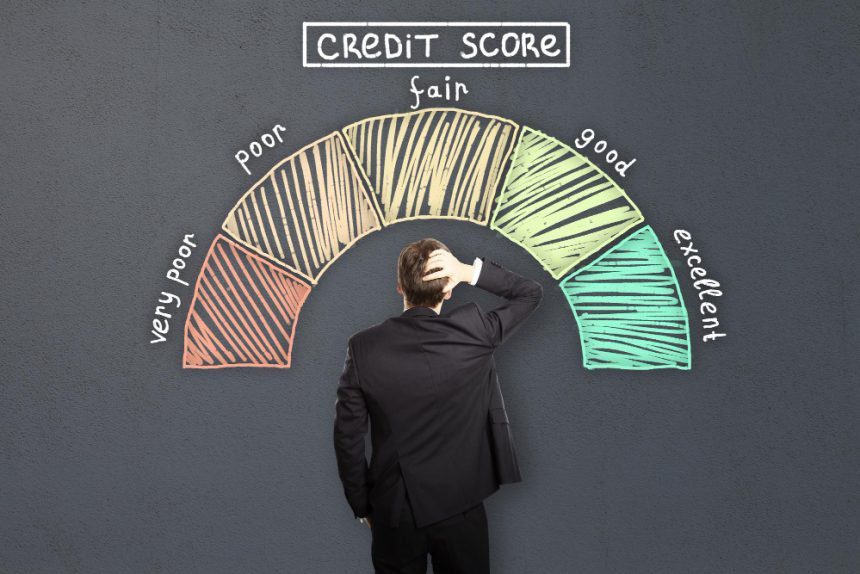
Let’s get honest: A 500 score puts you in the “very poor” category—one step above credit invisibility. Whether it’s late payments, collections, maxed-out cards, or just years of neglect, you’re being judged by a system that doesn’t care why things went wrong.
But here’s what it does mean:
- You’ll pay more for everything—cars, homes, insurance, even cell phones.
- Many lenders will deny you, even for secured credit.
- If you’re a business owner, it affects your funding options.
- And it creates a psychological loop of defeat, shame, and avoidance.
Still—this is fixable. It doesn’t have to take years. But it will take honesty, structure, and new habits. That’s what this 30-day plan delivers.
Week 1: Clean Up Credit Report Errors Holding You Back
Before you can rebuild, you need to know what’s broken—and what’s just outdated noise on your report.
Step 1: Pull Your Credit Reports (All Three Bureaus)
Start with annualcreditreport.com (still free weekly through 2025). Get reports from:
- Experian
- TransUnion
- Equifax
Step 2: Scan for These Issues
Use a highlighter or digital notes to mark:
- Late payments (especially within the last 12 months)
- Collections (medical or otherwise)
- Charge-offs or closed accounts with balances
- High credit utilization
- Duplicate or incorrect information
Step 3: Dispute Verified Errors
You can’t remove legit negative items—but you can correct:
- Accounts that don’t belong to you
- Payments are misreported as late
- Old collections that should’ve fallen off
Taking this step early is one of the fastest ways to start shifting a 500 credit score in the right direction.
Avoid These Common Pitfalls:
- Paying collections without negotiating deletion or updated reporting
- Sending vague dispute letters copied from the internet
- Ignoring small errors like wrong addresses—they can still flag fraud alerts or mismatches
Week 2: Credit Utilization Hacks to Reset Your 500 Credit Score
Your credit utilization—the percentage of credit you’re using compared to your limits—has an outsized impact on your score. If your cards are maxed, utilization may be 70% or higher, which is a score killer. Dropping it under 30% (ideally under 10%) can shift your score faster than almost anything else.
But stabilization is more than numbers. It’s about stopping the cycle that got you here in the first place—panic spending, minimum payments, or ignoring bills until they spiral. This week, your job is twofold: lower utilization and prevent new damage.
Do This Now:
- Pay down balances starting with the cards closest to maxed out.
- Ask for credit limit increases only if your history is clean (favor no hard-pull requests).
- Freeze new spending on all revolving cards.
- Make minimum payments on time across every account.
- Call creditors early if you’re struggling—ask about hardship plans or deferments.
Stack These Tools for Quick Wins:
- Experian Boost (adds utility/phone payments to your profile)
- A Secured Card + Rent Reporting (two new positive lines within 30 days)
- Mint or Monarch (budget apps to control cash flow so you don’t undo progress)
Note: always check reporting practices and fees before choosing a builder product—what helps one person may not fit another.
That’s three angles working at once: add positive history, lower utilization, and track your spending in real time. Together, they create a visible shift that lenders notice—and that you can build on in Week 3
The Credit Fire Drill: Emergency Moves When Life Hits Hard
Sometimes your credit score didn’t tank just from poor habits—it came from survival mode. Medical bills, layoffs, family emergencies… they hit, and you did what you had to do. That’s not a character flaw. That’s real life.
But here’s the challenge: most of us were never taught how to handle those moments without torching our credit in the process. Payday loans feel like the only option. Bills get juggled in the hope that something clears. And statements that look like bad news often go unopened.
If that’s been your pattern, let’s shift it. Not with shame—but with a backup plan.
Start With a Damage-Control Mentality for a 500 Credit Score
Before you can rebuild anything, you have to stop the financial bleeding. Here’s how to stabilize without digging deeper:
What to Prioritize Right Now:
- Pay everything that’s active and current first. Keep your “open and healthy” accounts alive.
- If you can’t pay something, call the creditor—not after 30 days, but now. Ask for hardship options, deferment, or a temporary lower payment plan.
- Don’t ignore bills just because you can’t pay them in full. Partial payments still show effort—and sometimes help you avoid a full charge-off.
- Avoid opening new credit just to stay afloat. That short-term fix leads to long-term damage if your utilization stays high or you miss a payment.
How to Decide What Bills Come First (When Money’s Tight)
You can’t do it all. But you can choose with intention.
| Priority | Why It Matters |
|---|---|
| Rent/mortgage | Protects shelter and prevents eviction/foreclosure |
| Utilities | Keep lights, water, and essential services on |
| Auto loan/insurance | Transportation = income access for many |
| Active credit cards | Prevents new late payments from lowering your score |
| Medical bills | Usually lower urgency unless already in collections |
When Anxiety Is Driving 500 Credit Score Decisions
Financial anxiety doesn’t just feel bad—it clouds judgment. You might overpay one account to “feel better” while ignoring five others. Or avoid checking your score altogether because it feels like failure.
This is where self-awareness becomes part of your credit strategy.
Try This Practice:
- Name the trigger. (“I’m scared this debt will ruin me.”)
- Name the reality. (“One account in collections doesn’t define me.”)
- Name the next best step. (“I’ll set up a payment plan I can actually stick to.”)
Your nervous system doesn’t care about FICO scoring—it just wants safety. So if credit decisions make your chest tighten or your thoughts spiral, pause before reacting.
Credit Protection Moves Most People Miss
If your score is 500, you’re vulnerable—not just to denials, but to fraud, predatory offers, and more.
Here’s how to shield yourself while you rebuild:
- Freeze your credit reports. It’s free and prevents unauthorized new accounts.
- Opt out of pre-screened credit offers via OptOutPrescreen.com. It limits tempting junk mail and shady subprime offers.
- Set up fraud alerts through Experian, TransUnion, or Equifax if you’ve had past identity issues.
- Avoid credit repair scams. If someone promises to “erase” your bad credit for a fee, it’s a red flag. Real repair = real work.
Building Forward: Turning a 500 Credit Score Into Progress
If this isn’t your first time trying to fix your credit, that doesn’t make you a failure. It makes you human. Most people don’t fix their credit in one clean sweep. It happens in layers. What matters is that this time, you’re doing it with structure, not panic.
Here’s what’s different now:
- You’re not relying on hope—you have a weekly plan.
- You’re not chasing points—you’re changing habits.
- You’re not avoiding the issue—you’re facing it with strategy and self-respect.
Even if your score only bumps up by 20–40 points in 30 days, that’s momentum. That’s power back in your hands. And when you build on that each month, you go from stuck to stable to scalable.
Week 3: Add Positive Activity to Rebuild a 500 Credit Score
Week 3: Add Positive Activity to Rebuild a 500 Credit Score
Credit isn’t just about cleaning the mess. You need to start layering in positive movement.
Here’s How to Add Positive Momentum:
- Become an authorized user on an old, clean account (make sure it reports to all 3 bureaus).
- Open a credit builder loan or secured credit card and use it properly.
- Use less than 10% of your available credit, then pay it in full before the statement date.
- Report rent payments through services like Boom or RentReporters.
- Turn on autopay for all cards—even if it’s just the minimum. No more accidental dings.
Each of these moves works like a building block—layering positive history that helps a 500 credit score start moving upward month by month.
Important: Don’t Add Too Many New Accounts
Opening multiple accounts at once triggers hard inquiries and shortens your average account age. If you do apply for anything, space it out. Remember, every positive line you build isn’t just about points—it’s proof to lenders and vendors that you can handle credit responsibly, which is what unlocks business credit and future growth opportunities.
Week 4: Credit Improvement Plan- Break Old Credit Loops to Improve a 500 Credit Score
This is where most credit plans fail. They show you how to raise your score, but they don’t help you change the habits and money patterns that pulled it down in the first place. Without new systems, you’ll end up back in the same cycle.
The shift happens when you stop treating credit repair as a one-time project and start treating it like a long-term strategy. Your score isn’t just a number—it’s a reflection of your financial patterns, your consistency, and how you handle both opportunity and stress.
Build Habits That Stick:
- Check your credit once a month, not every day. Tracking without obsessing keeps you steady.
- Set autopay or reminders so a missed due date never sinks your progress.
- Create a 10-minute Friday “money check-in” to review balances, utilization, and goals.
- Keep old accounts open—even if unused. They strengthen your history.
- Stop cosigning or applying impulsively for new accounts “just to boost.”
Mindset Reset Practices:
- When fear kicks in, pause before reacting. Ask: Am I making this move to feel safe—or to move forward?
- Replace “I’ll never get ahead” with “Every payment I make is momentum.”
- Treat credit like a business tool, not an emotional lifeline.
Why This Matters for Your Bigger Goals:
- Without healed money habits, every bump in life will knock your score back down.
- When you align new behaviors with business growth—steady payments, low utilization, clean reports—you unlock vendor credit, better loan terms, and leverage that scales your hustle.
- Think of it as shifting from survival patterns to wealth patterns. The same discipline that rebuilds a 500 score sets the foundation for funding, stability, and expansion.

Final Checklist: Ready for Business Credit?
Use this gut check to fix credit fast before applying for new business funding.
Business Setup Readiness List:
- Credit score has moved out of the 500s
- No new late payments in the last 30–60 days
- At least 2–3 positive accounts reporting monthly
- Credit utilization below 30% (preferably under 10%)
- Business registered (LLC or Corp)
- EIN, business bank account, and physical/digital address in place
If even one of these is missing, fix it first. Because in this credit market, one gap can lead to a denial.
From a 500 Credit Score to Growth: Your Launchpad Forward
Raising a low credit score like 500 isn’t just about numbers—it’s about rebuilding trust with yourself and creating leverage for the life and business you want. The first 30 days aren’t about perfection; they’re about momentum.
Here’s what that momentum looks like:
- 30 days = new habits and stabilized accounts
- 60 days = visible score improvement and fewer denials
- 90+ days = real leverage—funding options, vendor credit, and lower-cost money you can use to scale smart
Progress isn’t linear, and setbacks may happen. What matters is that you now have a structure to stop repeating old money loops. Every on-time payment, every balance you lower, every new positive account you add—these are building blocks that move you from scarcity patterns into opportunity patterns.
You’re not just fixing a 500 credit score. You’re building a foundation for bigger wins—access to business credit, freedom from predatory interest, and the confidence that comes from knowing you can trust yourself with money.
This plan is the reset button. What you build on top of it—your hustle, your business, your independence—is where the real transformation happens.